Look To The Future
Commercial Solar Solutions for Illinois Businesses and Industries
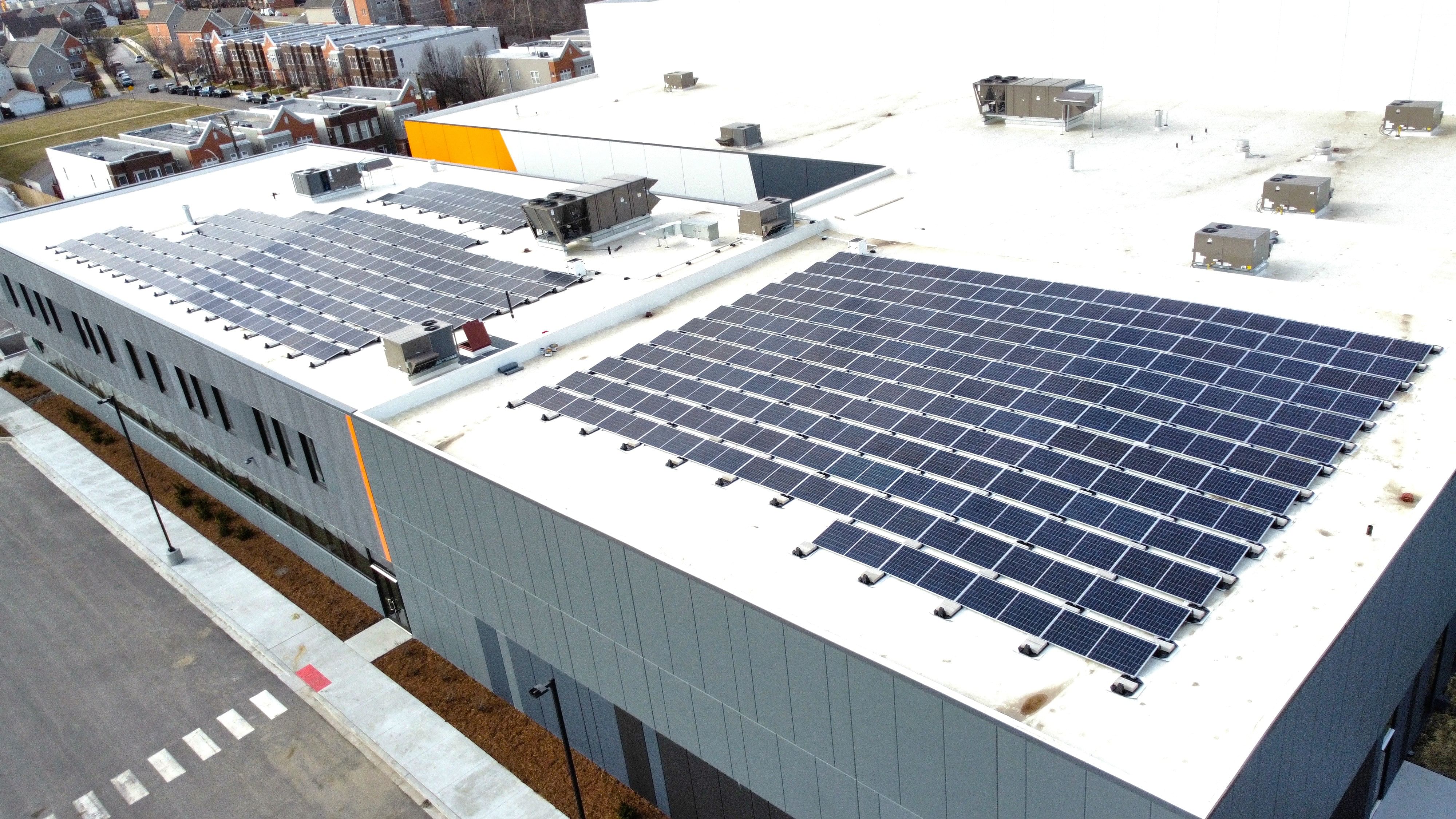
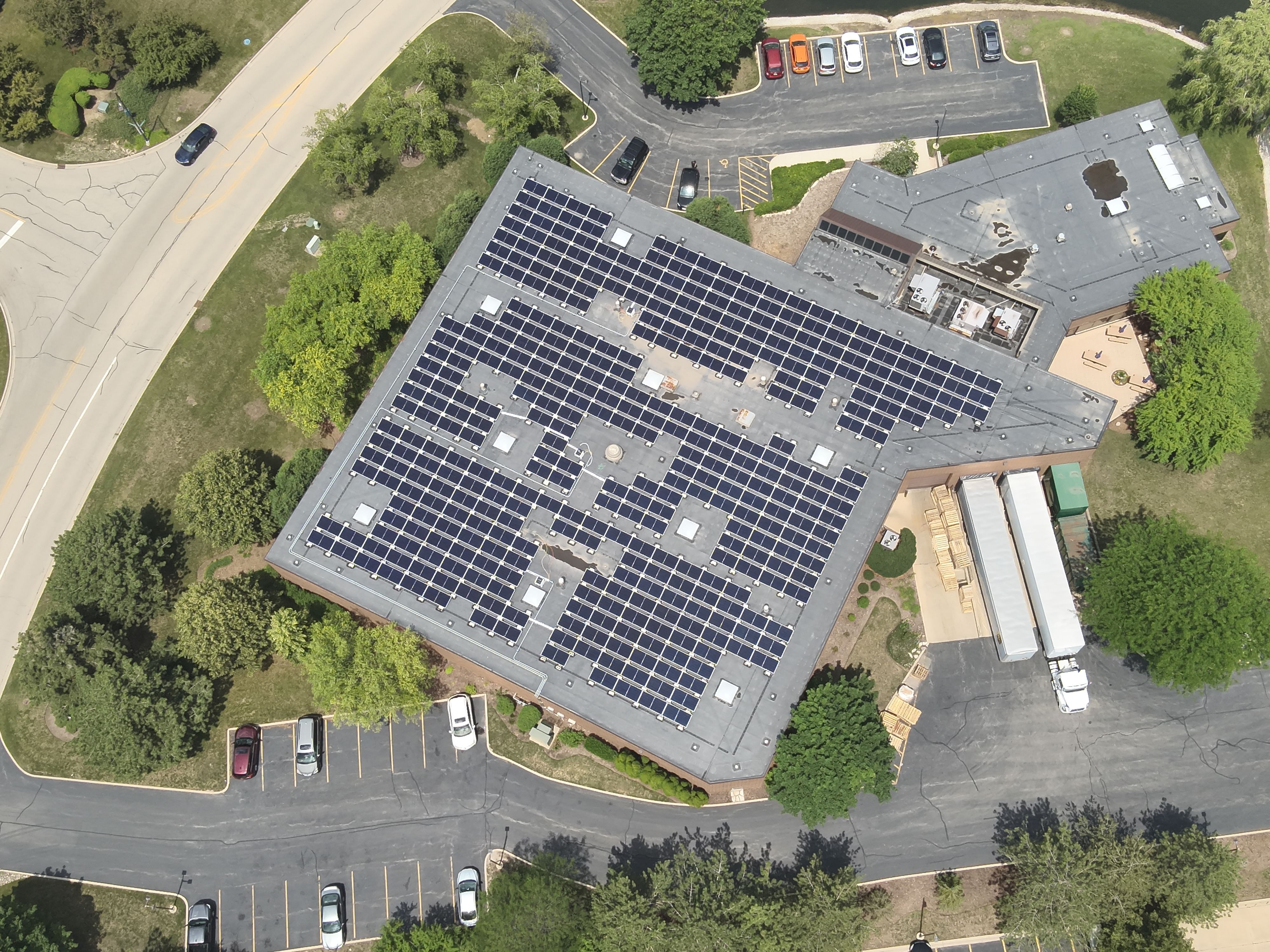
Illinois businesses across manufacturing, agriculture, education, and government are turning to solar energy to stabilize costs and meet clean energy goals. Commercial solar can turn a large, predictable electric load into an asset, especially when the system is engineered around how your facility actually runs throughout the day and year. As a licensed EPC contractor, 93Energy delivers turnkey commercial solar solutions from engineering and permitting to installation and maintenance.
What Commercial Solar Changes for a Business That Thinks Long Term
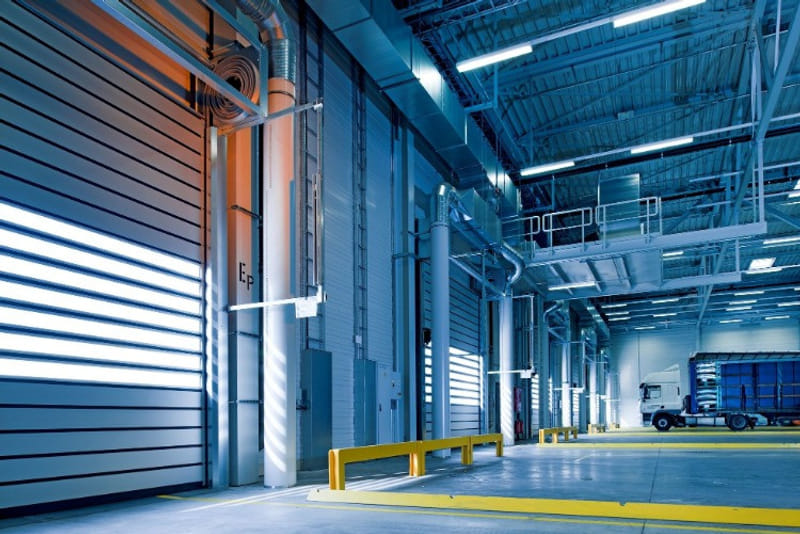
Commercial power bills rarely stay politely predictable, and a single rate adjustment can ripple through production costs, tenant expenses, and budget planning. Solar helps shift that conversation because the system produces energy on-site, which can reduce exposure to future utility increases while improving cost visibility for forecasting. Strong projects also support broader goals like sustainability reporting, customer expectations, and resilience planning, without forcing you to sacrifice operational priorities.
Commercial solar performs best when the design is built around real usage patterns, roof or land constraints, and a procurement plan that matches your balance sheet. A well-designed system considers demand charges, seasonal swings, and the reality that many businesses use more power during business hours, which can align well with solar production. 93Energy focuses on delivering systems that look good on paper and also behave well in the field after commissioning.
Commercial Solar System Design Built around Your Load
A commercial site is not a one-size-fits-all environment, which is why the earliest engineering decisions matter more than most people expect. Roof structure, available electrical capacity, shading, and how your building peaks during the day all influence equipment selection, stringing strategy, and where the interconnection lands. When those details are handled thoughtfully, you get a system that produces as expected while avoiding the headaches that come from shortcuts.
Design is also where businesses protect flexibility for the future, whether that means planning for facility expansion, electrified fleets, added refrigeration, or changes in operating hours. A system can be engineered to meet today’s goals while leaving room for tomorrow’s upgrades, rather than forcing an expensive redesign later. 93Energy approaches engineering with the mindset that your solar array should fit your operation, not the other way around.
Industries We Serve
Manufacturing and Factories
Manufacturing sites often carry significant daytime loads from machinery, compressed air, and HVAC, which can align well with solar production when the system is sized correctly.
Manufacturing sites often carry significant daytime loads from machinery, compressed air, and HVAC, which can align well with solar production when the system is sized correctly. Solar can support cost stability for operations that run consistent shifts, while also improving budget confidence for procurement and expansion planning. 93Energy designs around production realities, including uptime expectations and safety requirements, so the project supports the floor instead of disrupting it.
Read Less
Warehouses and Distribution Centers
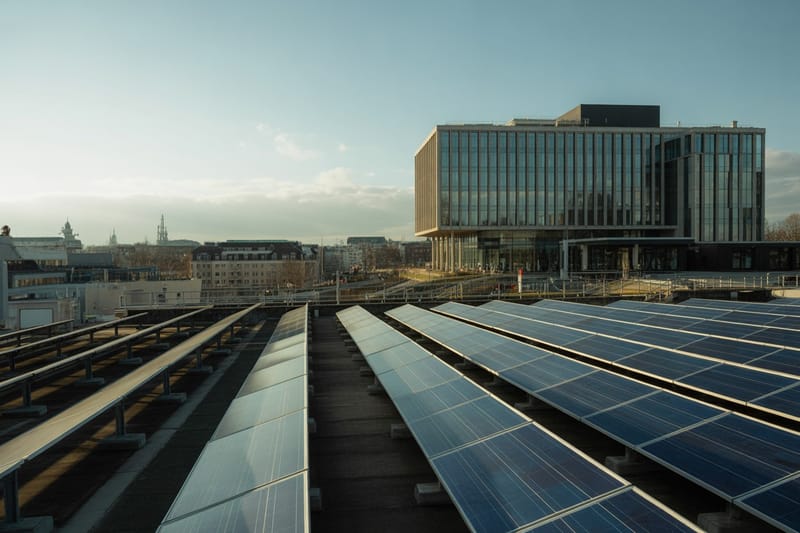
Warehouses often have large roof footprints that are well-suited for commercial solar, especially when the roof is structurally ready and shading is limited.
Warehouses often have large roof footprints that are well-suited for commercial solar, especially when the roof is structurally ready and shading is limited. Solar can offset lighting, material handling, and office usage, while supporting sustainability goals that matter to logistics partners and customers. 93Energy evaluates racking, roof condition, and electrical tie-in points to create a layout that performs well and stays serviceable.
Read Less
Cold Storage and Food Processing
Cold storage and processing facilities tend to operate with steady, high energy demand, which makes utility costs a meaningful driver of operating margin.
Cold storage and processing facilities tend to operate with steady, high energy demand, which makes utility costs a meaningful driver of operating margin. Solar can help reduce grid reliance during peak daylight hours, while supporting predictable budgeting for refrigeration-heavy operations. 93Energy plans carefully around interconnection, power quality, and equipment sensitivity, because performance and reliability matter in temperature-controlled environments.
Read Less
Agriculture and Farming
Farms and agribusiness operations may use power for irrigation, ventilation, processing, and on-site facilities, with many loads peaking in seasons where solar production is strong.
Farms and agribusiness operations may use power for irrigation, ventilation, processing, and on-site facilities, with many loads peaking in seasons where solar production is strong. Solar can support cost management while reinforcing long-term planning across land, buildings, and equipment needs. 93Energy evaluates available land, roof structures, and service capacity to recommend the right mix of system type and scale.
Read Less
Schools and Universities
Educational campuses often have clear energy goals, public accountability, and long-term facility plans, which makes solar a strong fit when procurement is handled correctly.
Educational campuses often have clear energy goals, public accountability, and long-term facility plans, which makes solar a strong fit when procurement is handled correctly. Solar can reduce operating costs while creating a visible commitment to stewardship that students, staff, and communities recognize. 93Energy coordinates engineering, permitting, and construction phasing to minimize disruption to learning and campus operations.
Read Less
Healthcare and Hospitals
Healthcare environments demand reliability, safety, and careful scheduling, because patient care and sensitive equipment cannot be compromised.
Healthcare environments demand reliability, safety, and careful scheduling, because patient care and sensitive equipment cannot be compromised. Solar can support cost stability for large facilities and campus-style systems, while strengthening sustainability goals that many healthcare organizations prioritize. 93Energy plans installations with a serious focus on coordination, compliance, and minimizing disruption, because the stakes are higher in clinical settings.
Read Less
Municipalities and Government Facilities
Municipal projects require accountability, clear documentation, and careful coordination, because the work affects public services and long-range budgets.
Municipal projects require accountability, clear documentation, and careful coordination, because the work affects public services and long-range budgets. Solar can stabilize energy spending across facilities like administrative buildings, public works, and community centers, while supporting clean energy commitments. 93Energy helps navigate project requirements, interconnection steps, and construction planning with a focus on professionalism and transparency.
Read Less
Nonprofits and Faith-Based Organizations
Nonprofits and faith-based organizations often prioritize wise stewardship of operating dollars, which makes predictable energy savings especially meaningful.
Nonprofits and faith-based organizations often prioritize wise stewardship of operating dollars, which makes predictable energy savings especially meaningful. Solar can reduce recurring utility costs, freeing resources for mission-driven work while reinforcing community leadership in sustainability. 93Energy approaches these projects with clear communication and practical planning, so the installation fits the organization’s day-to-day responsibilities.
Read Less
Hospitality, Retail, and Apartments
Hospitality and retail sites can benefit from solar by offsetting daytime loads tied to lighting, HVAC, and customer-facing operations, while multifamily properties may use solar to improve property performance and long-term expenses.
Manufacturing sites often carry significant daytime loads from machinery, compressed air, and HVAC, which can align well with solar production when the system is sized correctly. Solar can support cost stability for operations that run consistent shifts, while also improving budget confidence for procurement and expansion planning. 93Energy designs around production realities, including uptime expectations and safety requirements, so the project supports the floor instead of disrupting it.
Read Less
Incentives in Illinois That Can Improve Project Economics
Illinois offers opportunities that can materially improve commercial solar economics, especially when the project is structured correctly from the beginning. Federal incentives can reduce the effective project cost, and state-level programs can further strengthen the business case, although the details depend on eligibility, timing, and how the project is executed. Smart planning matters because the value is often captured in the structure and paperwork, not just the panels on the roof.
93Energy brings practical experience with Illinois programs and procurement realities, which helps businesses avoid the common trap of assuming incentives will “work themselves out” later. The right approach aligns engineering choices, documentation, and interconnection planning so the project remains eligible and the timeline stays realistic. That combination helps you make decisions with confidence, rather than relying on best-case assumptions.
Our EPC Process from Concept to Commissioning
01
Discovery and Site Review
93Energy reviews your goals, utility data, and site conditions to understand how solar should function for your operation. The team looks at roof or land suitability, electrical infrastructure, and practical constraints that shape system design. The outcome is a realistic direction that prioritizes performance and constructability, not just a quick estimate.
02
Engineering and System Design
Engineers develop a plan that fits your load profile, structural realities, and interconnection requirements. Equipment selection, layout, and electrical design are built around long-term production and maintainability, because the best system is the one that performs consistently. The design phase also supports accurate budgeting, clearer scheduling, and fewer surprises once construction begins.
03
Permitting and Utility Coordination
Permitting and interconnection can influence timelines, which is why the work needs a team that understands Illinois requirements and utility expectations. 93Energy prepares documentation carefully and coordinates steps so the process moves forward without unnecessary rework. Clear communication during this phase helps your stakeholders stay informed and reduces last-minute friction.
04
Procurement and Construction Planning
Procurement is managed with quality and availability in mind, because commercial projects depend on reliable equipment and predictable delivery. Construction planning addresses safety, staging, access, and your operating schedule, so the installation fits your site instead of disrupting it. This is where an organized EPC approach protects both quality control and business continuity.
05
Installation, Commissioning, and Training
Installation is completed by qualified teams with a focus on code compliance, workmanship, and safe jobsite practices. Commissioning verifies that the system performs as designed and that monitoring is functioning correctly from day one. 93Energy also provides guidance on what to expect operationally, so your team feels comfortable with the system’s basics.
Why System Quality and Workmanship Matter More Than a Low Bid
Commercial solar is a long-term asset, which means small differences in design discipline and installation quality can add up over decades. An array that underperforms due to avoidable shading, poor wiring practices, or weak commissioning can quietly erode the financial value you expected. Quality shows up in the details, including how penetrations are handled, how conductors are managed, and how equipment is protected against weather and wear.
A strong project also protects you on the back end, because future roof work, equipment servicing, and site changes are easier when the system was built with maintainability in mind. Commercial properties change hands, expand, and evolve, so the best solar systems stay understandable and serviceable long after the construction crew leaves. 93Energy builds with that reality in mind, because a clean handoff is part of delivering real value.
Why Illinois Businesses Choose 93Energy
In-house EPC delivery keeps engineering, procurement, and construction aligned under one coordinated plan. This structure reduces delays caused by vendor handoffs and makes accountability straightforward when decisions need to be made quickly. Your project stays organized because responsibility stays clear from the first design conversation through commissioning.
Commercial electrical work is not the place for shortcuts, because safety, code compliance, and long-term reliability matter. Union electricians bring training and jobsite discipline that supports clean execution and professional standards. 93Energy’s approach prioritizes workmanship that holds up over time, not only a fast installation.
Illinois commercial sites vary widely, from high-load industrial facilities to public-facing campuses that require careful scheduling and communication. A track record matters because it shows the ability to manage real constraints while still delivering performance. 93Energy brings practical experience that helps projects move forward smoothly, even when complexity rises.
Incentives can improve project economics, yet they also require careful planning and accurate documentation. Understanding how programs work helps prevent missteps that can delay approvals or reduce expected value. 93Energy helps you evaluate incentives realistically and integrate them into a procurement plan that makes business sense.
Free Solar Energy Analysis
A commercial solar decision gets easier when you can see the numbers, constraints, and opportunities clearly, without guessing what applies to your facility. A free solar energy analysis from 93Energy starts with your real utility usage and site characteristics, then translates that information into a practical plan you can evaluate with your team. The goal is a clear path forward that matches your budget, timeline, and performance expectations.
This analysis focuses on what matters most for Illinois businesses, including site feasibility, system sizing logic, interconnection considerations, and a realistic view of project value. You will walk away with a clearer understanding of what commercial solar can do for your operation, as well as what steps would be required to execute the project smoothly. Contact 93Energy to schedule your free solar energy analysis and get a plan built around your business.
Get an Estimate and Contact Us
Commercial solar is one of the few upgrades that can improve cost control, strengthen sustainability goals, and deliver measurable performance at the same time. The best outcomes come from a partner that treats engineering and execution seriously, communicates clearly, and supports the system long after commissioning. 93Energy brings licensed EPC delivery, professional installation standards, and a practical approach that keeps your project aligned with your operational needs. Reach out today to request an estimate, discuss your site, and take the next step toward a commercial solar system that works as hard as you do.