Commercial Solar Financing
Get in Touch
Every project has its own constraints, whether you are working around a capital budget, a construction schedule, or a corporate payback target. 93Energy helps organizations structure funding in a way that protects cash flow while still capturing the value that commercial solar can deliver over time. We’re based in Illinois, but serve the Midwest and are growing nationally. When financing is aligned with incentives, the project math often becomes simpler, cleaner, and easier to approve.
Financing Options

Bridge Loans
Bridge loans help close the gap between when your system is installed and when incentive value is actually realized. Many commercial projects earn benefits that arrive later through tax filings, renewable energy credit payments, or utility program timelines, which can create a timing mismatch for budgeting. A bridge structure can reduce the up-front capital required while you wait for those downstream dollars to land. This approach is especially useful for organizations that want ownership, but prefer not to carry the full cost until incentive proceeds and savings begin to stack up.

Term Loans
A term loan works like a familiar fixed-payment structure where you spread project cost over a predictable timeline. Many businesses choose longer terms to keep monthly payments comfortable, then pair that payment with the utility savings the system produces. When those two numbers are modeled correctly, the project can often feel like a controlled operating expense rather than a large one-time spend. 93Energy can also structure options that delay heavier payments early on, which helps you get through the installation period and into steady-state performance with less pressure on working capital.

Solar Lease or Power Purchase Agreement
A lease or power purchase agreement can be a fit when you want savings without owning the equipment. Instead of buying the system, you pay for the right to use it, or you buy the electricity it produces, depending on the structure. This option can reduce internal complexity because the financing and certain ownership-driven benefits typically sit with the third-party owner. Many organizations like this model when preserving capital for core operations is the priority, while still locking in a more stable energy cost profile.
National Solar Incentives
Federal incentives can materially improve project economics, but the best outcome depends on how the project is owned, how it is placed in service, and how the organization can use tax benefits. Under current rules, qualifying commercial solar and storage projects may be eligible for a federal clean electricity investment credit, with the potential for higher value when specific labor and compliance requirements are met. Certain projects may also qualify for bonus adders tied to factors like domestic content or location, which can further strengthen the return if the project fits the criteria. Timing matters as well, since federal rules can include construction-start or placed-in-service deadlines that make early planning and documentation important.
Depreciation is another major lever for businesses, since commercial solar equipment is often eligible for accelerated depreciation that can improve after-tax cash flow in the early years. Some taxpayers may also have the ability to transfer eligible credits, which can create flexibility when a project is strong but internal tax appetite is limited. Program availability and eligibility vary, so the cleanest path is to model incentives alongside financing from the start, then confirm details with your tax professional before finalizing ownership and contract structure.
Illinois-Specific Solar Incentives
Illinois has programs that can add meaningful value on top of federal benefits, especially when the project is built and documented to match program requirements. The Illinois Shines program is a major driver, since it supports eligible distributed generation projects through renewable energy credit delivery contracts, which can translate into a significant revenue stream over time. Approval pathways, categories, and pricing can change by program year, which is why paperwork accuracy and timelines matter as much as engineering. A well-managed process helps you avoid delays that can push financial assumptions off target.
Utility policies also play a role in Illinois, including how exported energy is credited on your bill and how interconnection is handled. Net metering terms can vary based on when a project is enrolled and the applicable utility territory, so the best approach is to size the system with your load profile in mind, then model export value conservatively. Some commercial and industrial customers may also be eligible for distributed generation rebates tied to interconnection and equipment requirements, including smart inverters and, in some cases, storage participation rules. 93Energy helps you sort through which incentives apply to your facility, then aligns the project timeline so financing, installation, and incentive steps work together instead of colliding.
Industries Across the Midwest We Provide Solar Energy For
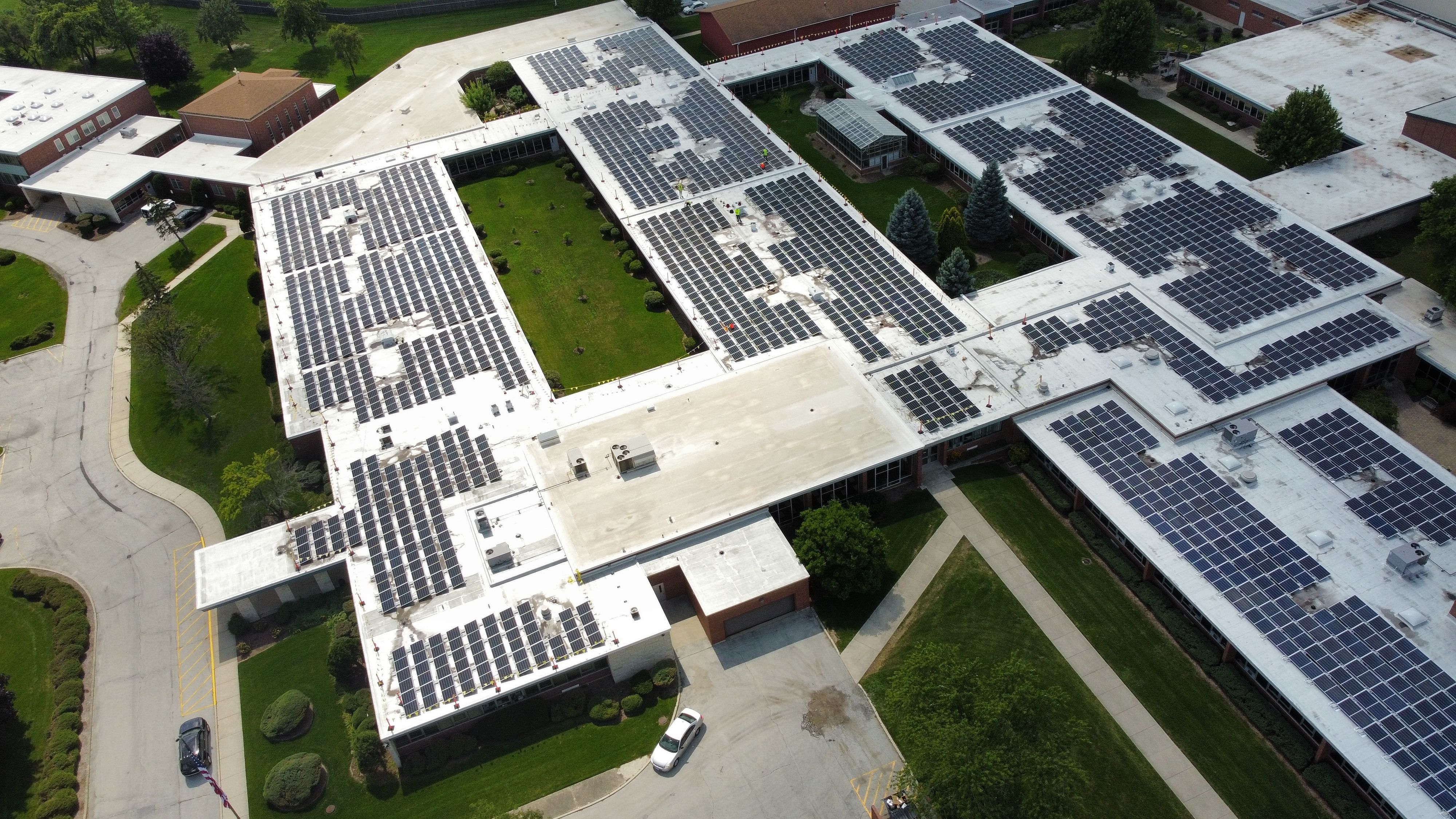
93Energy offer professional solar services to many industries, including:
Get Your Free Solar and Energy Analysis
If you are evaluating commercial solar, the fastest way to get clarity is a project-specific analysis that combines usage, site conditions, and financing scenarios. A good model shows how payments, incentives, and utility savings interact, rather than treating each piece as a separate guess. 93Energy can walk you through ownership versus third-party options, then map the most realistic path based on your goals and constraints. Reach out for a zero-commitment quote and a financing conversation that is built around your business, not a one-size template.