Commercial Solar Panels for Illinois Industries
93Energy engineers, permits, and builds commercial solar for facilities that run hard and pay for it every month.
Get in Touch
Look To The Future
Commercial Solar Built around How a Facility Actually Runs
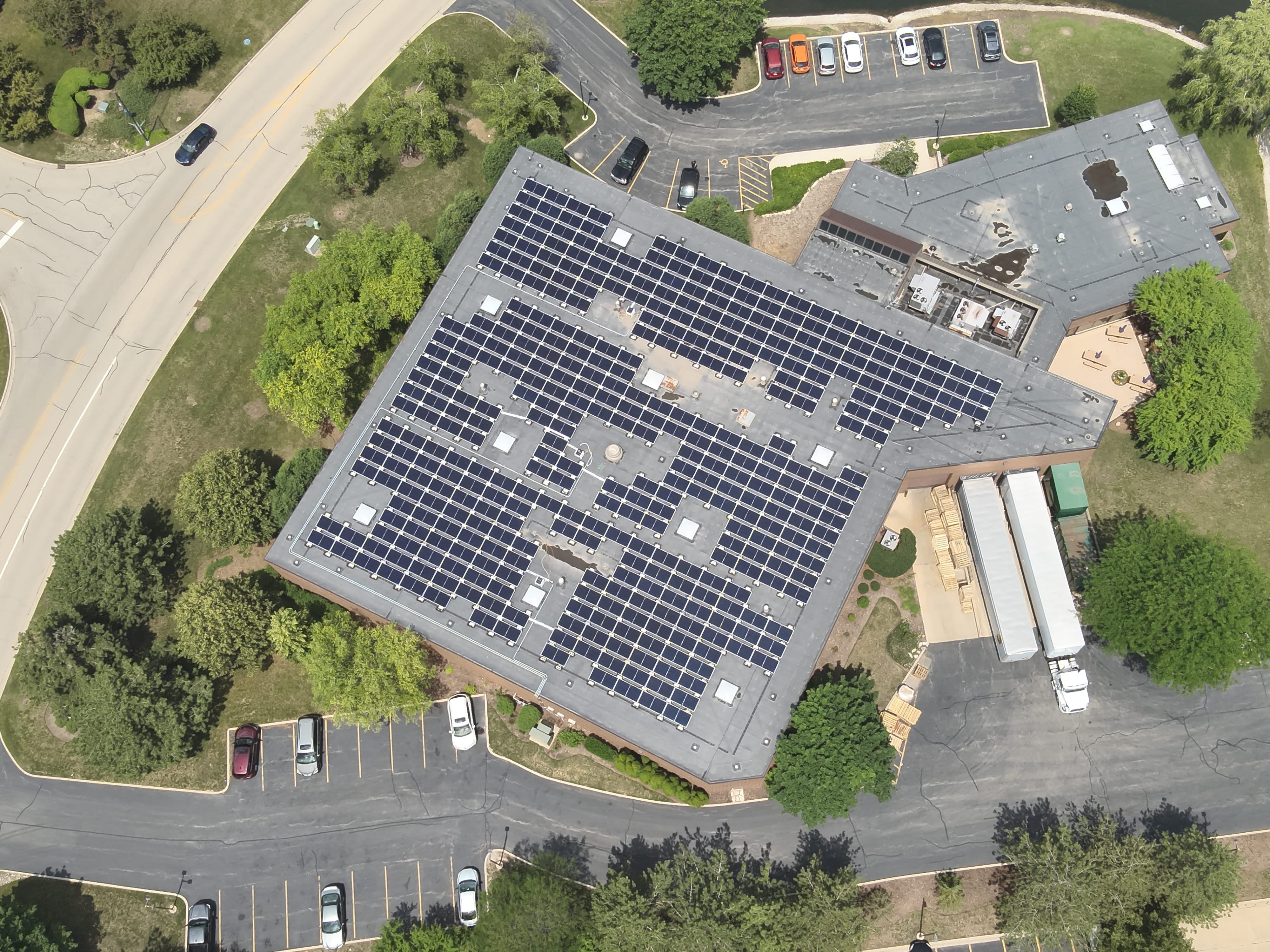
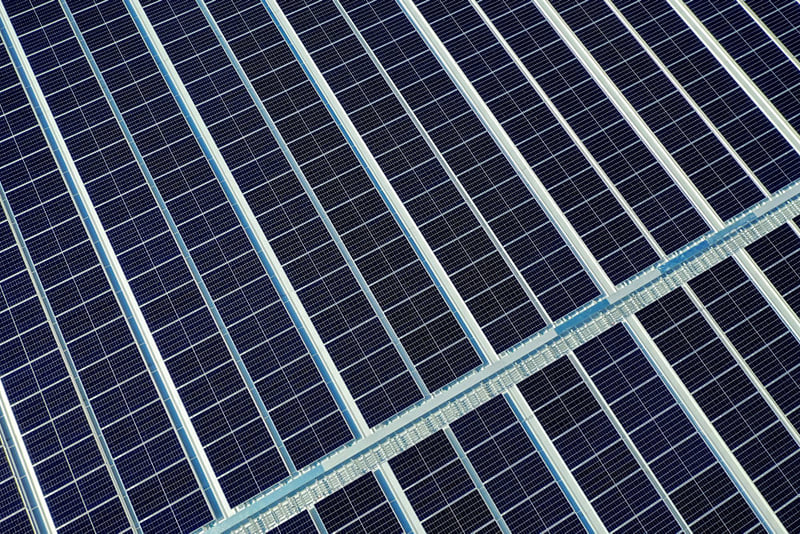
Illinois businesses and institutions carry the kind of electrical load that makes solar worth engineering properly. Manufacturing plants, distribution centers, cold storage, schools, hospitals, and public facilities draw power steadily through the working day, which is exactly when a well-designed array generates most of its output. 93Energy delivers turnkey commercial solar engineering, procurement, and construction, covering energy modeling and design through to construction and commissioning. Every system is designed behind the meter, so the facility owns the generation sitting on its own roof or land.
What Changes for a Facility That Plans in Decades
Commercial power bills rarely stay predictable. A single rate adjustment moves through production costs, budget planning, and every forecast built on last year's numbers. On-site generation changes that exposure, because part of the load is met by a system the facility owns outright, at a cost fixed when it was financed rather than reset by the utility.
That shift matters most for operations with high, steady demand. Cold storage runs compressors around the clock. Manufacturing draws hard on machinery, compressed air, and HVAC through every production shift. Where consumption is heavy and consistent, the case for solar rests on arithmetic, and it holds up under a finance team's review. Our cost comparison between commercial solar and traditional power sets out how that math is built.
Demand charges deserve separate attention. Many commercial rate structures bill on peak draw as well as total consumption, and an array paired with commercial battery storage can shave both charges.
Where the Engineering Decisions Get Made
A commercial site presents constraints that surface early or expensively. Roof structure, available electrical capacity, shading from adjacent buildings, and the shape of the daily load curve all drive equipment selection, stringing strategy, and where the interconnection lands. Decisions made in the first weeks of design determine whether the finished system produces what the model promised.
Design is also where future capacity gets protected. A facility that expects to add refrigeration, electrify a fleet, extend operating hours, or expand square footage can have that headroom engineered in from the start, rather than paying for a redesign later. Sites planning for EV charger installation benefit from having the electrical infrastructure considered once, at the beginning.
93Energy confirms the system design before any application is filed. That sequence keeps the submission accurate on system size and array count, which prevents the resubmissions that stall projects at the utility.
Industries We Serve
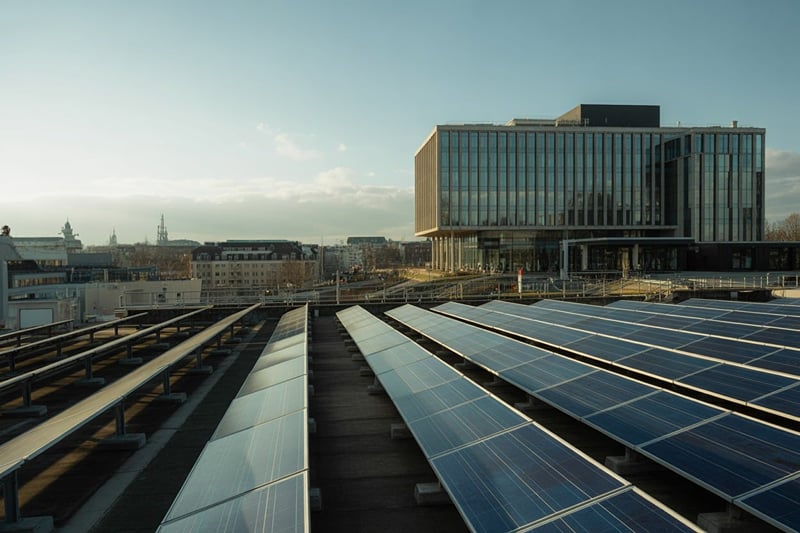
Load profile, roof condition, and procurement path vary sharply across facility types. 93Energy works in nine of them, and those differences shape system design far more than the industry label.
Manufacturing and Factories
Machinery, compressed air, and process HVAC create heavy daytime demand that lines up closely with solar production. Sizing depends on shift patterns and how much of the load runs continuously rather than in bursts.
Machinery, compressed air, and process HVAC create heavy daytime demand that lines up closely with solar production. Sizing depends on shift patterns and how much of the load runs continuously rather than in bursts.
Warehouses and Distribution Centers
Large, uninterrupted roof spans make warehouses among the most straightforward commercial sites to engineer. Roof age and structural capacity usually determine whether the array goes overhead or onto adjacent ground.
Large, uninterrupted roof spans make warehouses among the most straightforward commercial sites to engineer. Roof age and structural capacity usually determine whether the array goes overhead or onto adjacent ground.
Cold Storage and Food Processing
Refrigeration runs continuously, which puts electricity directly against operating margin. Steady demand and high consumption give these facilities one of the clearest cases for on-site generation paired with storage.
Refrigeration runs continuously, which puts electricity directly against operating margin. Steady demand and high consumption give these facilities one of the clearest cases for on-site generation paired with storage.
Agriculture and Agriprocessing
Irrigation, ventilation, grain handling, and processing equipment draw heavily in the seasons when production is strongest. Open acreage often makes ground mount practical where roof area is limited.
Irrigation, ventilation, grain handling, and processing equipment draw heavily in the seasons when production is strongest. Open acreage often makes ground mount practical where roof area is limited.
Schools and Universities
Educational campuses combine long-range facility planning with public accountability, and both favor an asset with a measurable payback. Procurement rules and board approval cycles shape the timeline as firmly as the engineering.
Educational campuses combine long-range facility planning with public accountability, and both favor an asset with a measurable payback. Procurement rules and board approval cycles shape the timeline as firmly as the engineering.
Healthcare and Hospitals
Patient care and sensitive equipment set the terms for any electrical work on a medical campus. Construction sequencing, redundancy, and coordination with facilities staff matter as much as system output.
Patient care and sensitive equipment set the terms for any electrical work on a medical campus. Construction sequencing, redundancy, and coordination with facilities staff matter as much as system output.
Municipalities and Government Facilities
Public projects require documented procurement, prevailing wage compliance, and clear reporting to stakeholders who are not engineers. 93Energy carries the paperwork trail alongside the construction.
Public projects require documented procurement, prevailing wage compliance, and clear reporting to stakeholders who are not engineers. 93Energy carries the paperwork trail alongside the construction.
Nonprofits and Faith-Based Organizations
Operating dollars are scarce and closely watched, which makes a predictable utility line item genuinely valuable. Tax-exempt organizations have specific incentive pathways worth evaluating early.
Operating dollars are scarce and closely watched, which makes a predictable utility line item genuinely valuable. Tax-exempt organizations have specific incentive pathways worth evaluating early.
Hospitality and Retail Properties
Lighting, HVAC, and customer-facing operations concentrate demand in daylight hours. Multi-site owners often start with one property, then roll out across a portfolio once the first system's performance is documented.
Lighting, HVAC, and customer-facing operations concentrate demand in daylight hours. Multi-site owners often start with one property, then roll out across a portfolio once the first system's performance is documented.
Incentives That Change Project Economics
Federal and state programs can move a commercial solar project from marginal to clearly worthwhile, though the value depends on structure and documentation rather than on the equipment.
The federal Investment Tax Credit, or ITC, can offset a substantial share of eligible project cost. Whether a given project qualifies at the full rate depends on whether it satisfies applicable rules, including prevailing wage and apprenticeship requirements. 93Energy coordinates the compliance record that supports a claim and does not replace your tax advisor. The ITC safe harbor rules carry dated federal deadlines that affect when a project needs to begin construction.
Accelerated depreciation under MACRS allows a business to recover system cost against taxable income on a compressed schedule, subject to the same advice to confirm treatment with your own accountant.
State programs vary. In Illinois, Illinois Shines supports eligible commercial projects through Solar Renewable Energy Credits, or SRECs, which can improve overall project value. 93Energy is an Approved Vendor on the state's list as both a distributed generation installer and a distributed generation project developer.
Financing options can be structured alongside these incentives, and our walkthrough of calculating ROI on commercial solar shows how the pieces combine.
Our EPC Process from Concept to Commissioning
01
Discovery and Site Review
93Energy reviews utility data, operating schedules, and site conditions to establish how solar should function for the facility. The team assesses roof or land suitability, existing electrical infrastructure, and the practical constraints that shape a workable layout. Our walkthrough of the steps to solar covers what to expect at each stage.
02
Engineering and System Design
Engineers develop a design around the load profile, structural realities, and interconnection requirements of the specific site. Equipment selection, array layout, and electrical design are driven by long-term production and serviceability. A completed design is also what makes the budget reliable, since procurement pricing rests on finished drawings. Project development support is available for sites still working through feasibility or site control.
03
Permitting and Utility Applications
With the design confirmed, 93Energy prepares and files the permit and interconnection applications. Each submission carries the correct system size and array count, because the engineering is finished before anything goes out, which avoids the resubmission cycles that delay projects. The team handles requirements at the state level and within each jurisdiction, coordinating directly with the authority having jurisdiction and the utility.
04
Procurement and Construction
Procurement is managed for equipment quality and delivery certainty, since a commercial schedule depends on both. Construction planning addresses safety, staging, site access, and the facility's operating hours, so the build fits around the production schedule. Crews handle the electrical work to code, with the workmanship standards that determine how a system performs across its service life.
05
Commissioning and Permission to Operate
Commissioning verifies that the completed system performs to the design model and that monitoring reports correctly from the start. 93Energy then carries the project through interconnection to permission to operate, or PTO, the point at which the system may legally operate. Ongoing operations and maintenance covers software monitoring, annual inspections, and thermal imaging.
What Workmanship Protects
Commercial solar is an asset measured in decades, and small differences in design discipline and installation quality compound across that span. An array that underperforms because of avoidable shading, careless conductor management, or thin commissioning erodes the return quietly, often without anyone noticing until production is finally compared against the model.
Quality shows up in details that are invisible from the ground, including how roof penetrations are flashed, how conductors are routed and secured, and how equipment is protected against weather, temperature swings, and wear. Each of those decides whether the array still performs like new in year fifteen.
Maintainability is the other half. Buildings get sold, roofs get replaced, and equipment gets serviced, and each of those events costs less when the next crew can understand the system they inherit.
Why Owners Choose 93Energy
Design, purchasing, and field execution sit under one plan and one point of accountability. Handoffs between separate vendors are where commercial projects lose schedule and where responsibility gets diffuse. When a decision is needed quickly, it goes to one team.
93Energy appears on the State of Illinois Approved Vendor list as both a distributed generation installer and a distributed generation project developer. That status is a prerequisite for participation in Illinois Shines, and it puts the incentive paperwork with the same firm building the system.
Every system is designed for the facility to own and consume its own generation. That focus shapes how systems are sized, where interconnection lands, and how the financial model is built. The owner ends up owning a small power plant that feeds the building beneath the array.
Solar EPC, energy storage, project development, EV charging, and operations and maintenance are delivered in-house. A facility that adds storage or charging infrastructure later works with the same team that engineered the original array and holds the as-built record.
Frequently Asked Questions
These are the questions facility owners and finance teams raise most often in early conversations about a commercial project.
Sizing starts with twelve months of utility data rather than roof area. The design team maps consumption against the hours a system would actually produce, then accounts for demand charges, planned changes to the operation, and available structural capacity. What comes out is a system matched to the load the building carries, which is often smaller and better performing than the maximum the roof could physically hold.
Construction planning is built around the facility's schedule. Staging, crane access, roof work, and electrical tie-ins are sequenced against production hours and shift patterns. Any tie-in work that requires a shutdown is scoped and scheduled in advance with the facilities team, and most sites keep operating normally through the majority of the build.
The ITC can offset a significant share of eligible project cost. Whether a project earns the credit at the full rate depends on whether it satisfies applicable rules, including prevailing wage and apprenticeship requirements. 93Energy structures the documentation to support the claim and maintains the compliance record during construction. Confirm the treatment of any credit with your own tax advisor, since 93Energy does not replace that role.
Roof condition is assessed during design, and a roof near the end of its service life is usually replaced before the array is installed. Where an array is already installed, sections can be removed and reset for roof work, which is one reason mounting and conductor routing are engineered for access from the start.
Timelines depend on the utility, the jurisdiction, and the equipment lead times in play at the time, so a schedule is set once the site has been reviewed. The sequence itself is fixed. Design is confirmed first, permit and interconnection applications follow, construction comes next, and permission to operate closes the project.
Solar Energy Analysis
A commercial solar decision gets easier once the numbers are specific to the building. The solar energy analysis from 93Energy begins with actual utility usage, roof or land characteristics, and the electrical infrastructure already in place, then turns that into a plan a facilities team and a finance team can evaluate together.
The analysis covers site feasibility, the logic behind system sizing, interconnection considerations, and a grounded view of project value under current incentive rules. Sites in Illinois also get the state program picture, including where Illinois Shines eligibility and ComEd or Ameren Illinois interconnection requirements affect the schedule.
There is no obligation attached. The output is a clear view of what commercial solar across Illinois and the wider Midwest would do for the operation, and what executing it would require.
Power Your Business with Solar Today
Commercial solar works best when the system is engineered around the facility, the available incentives are handled correctly, and the installation is built for long-term performance. 93Energy manages the entire process under one contract, from the initial utility bill review and site assessment through permitting, construction, permission to operate, and ongoing system monitoring.
Contact 93Energy to request a no-obligation quote and start evaluating what solar could look like for your facility. The team will review your energy use, assess the site, and provide the cost and performance information your finance team needs to evaluate the project.