
Why Farms in Illinois and the Midwest Are a Great Fit for Solar
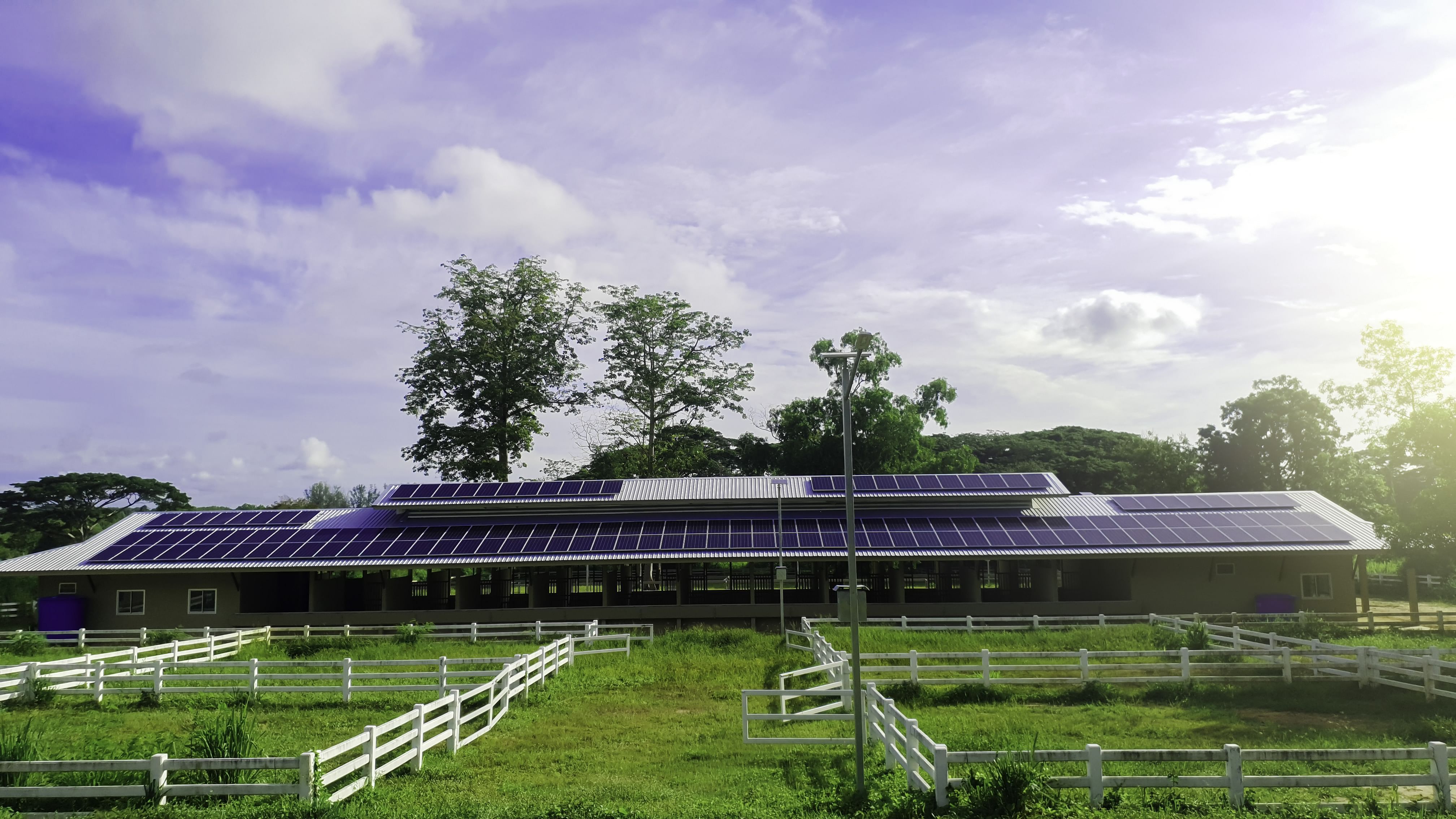
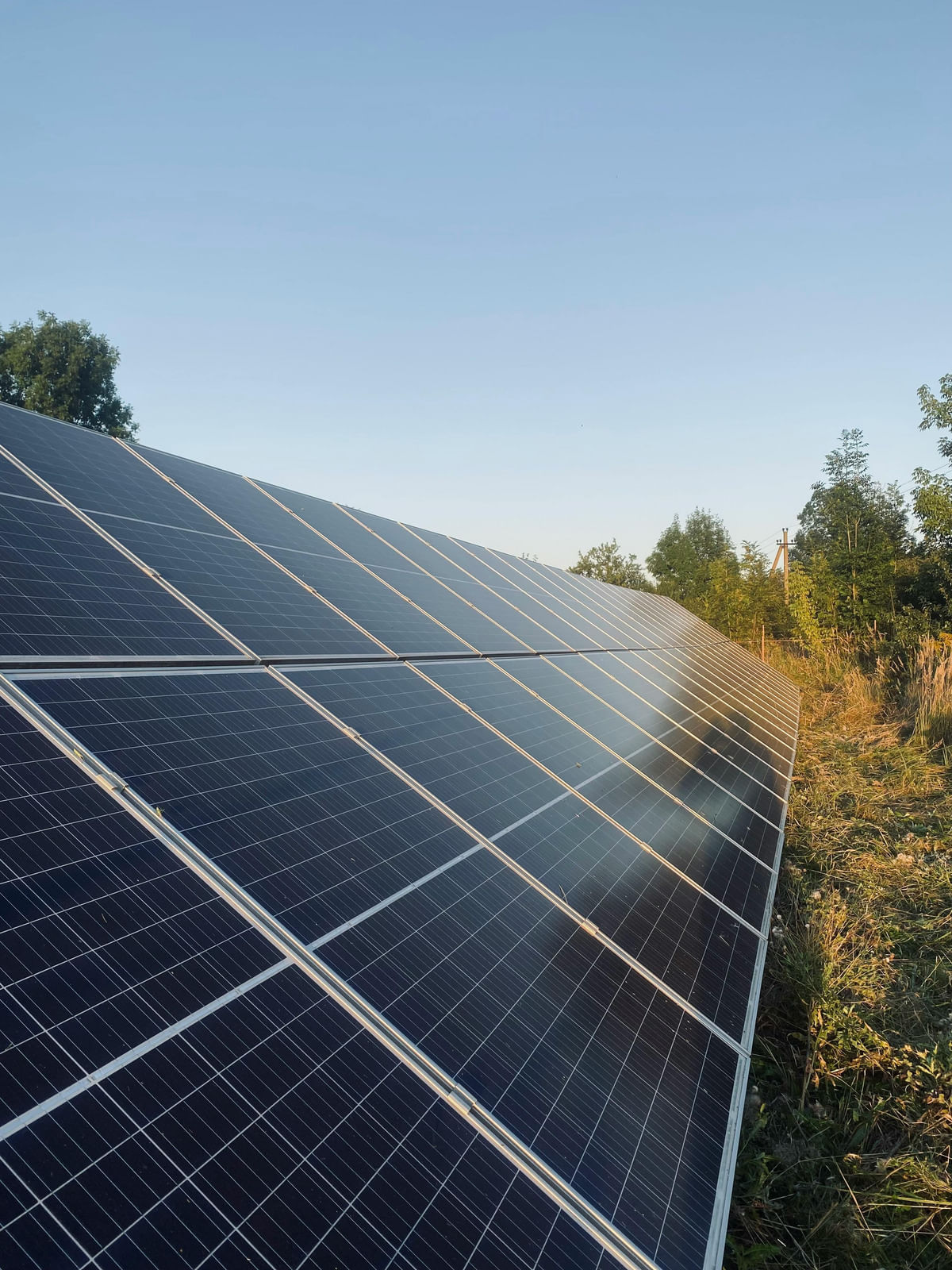
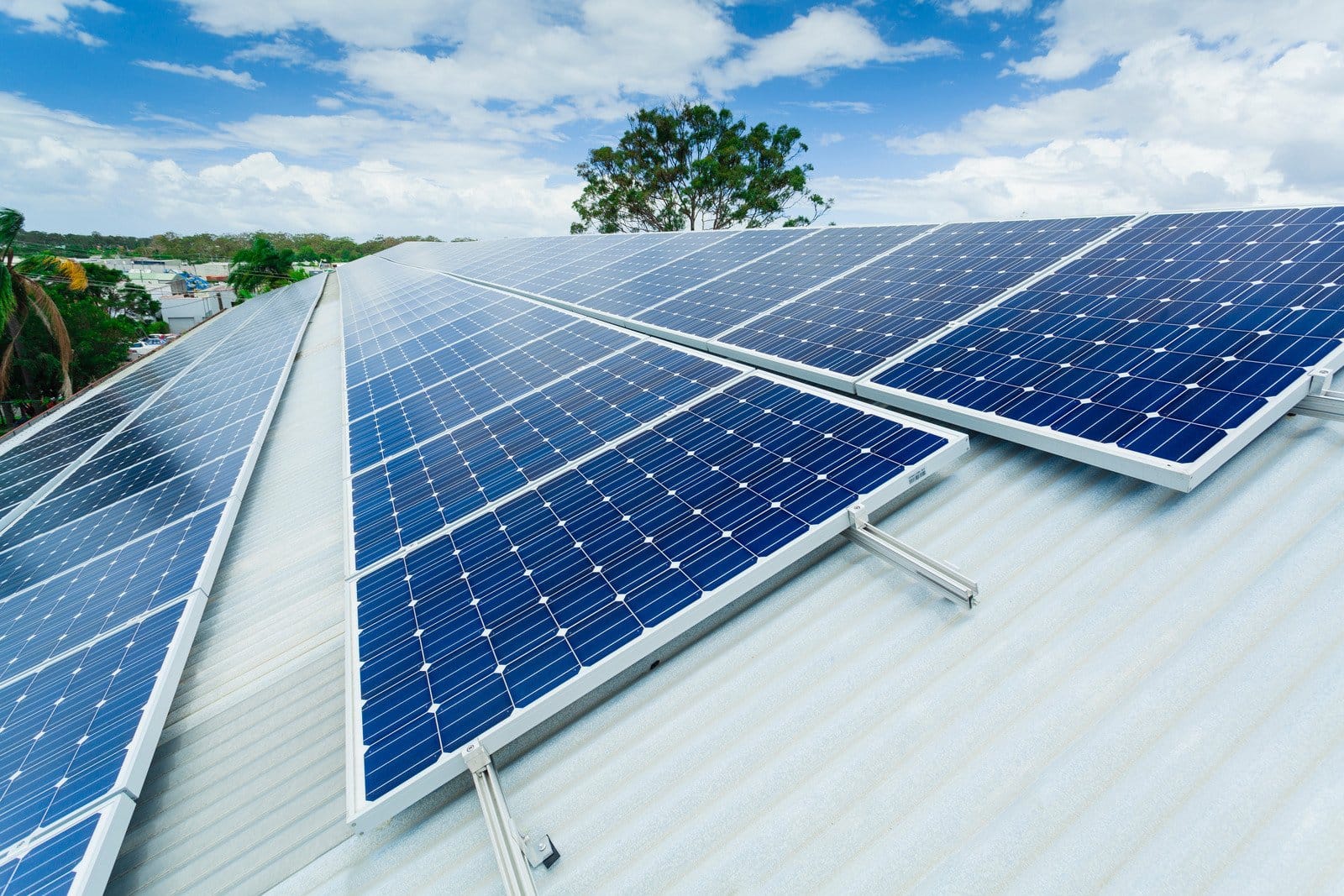
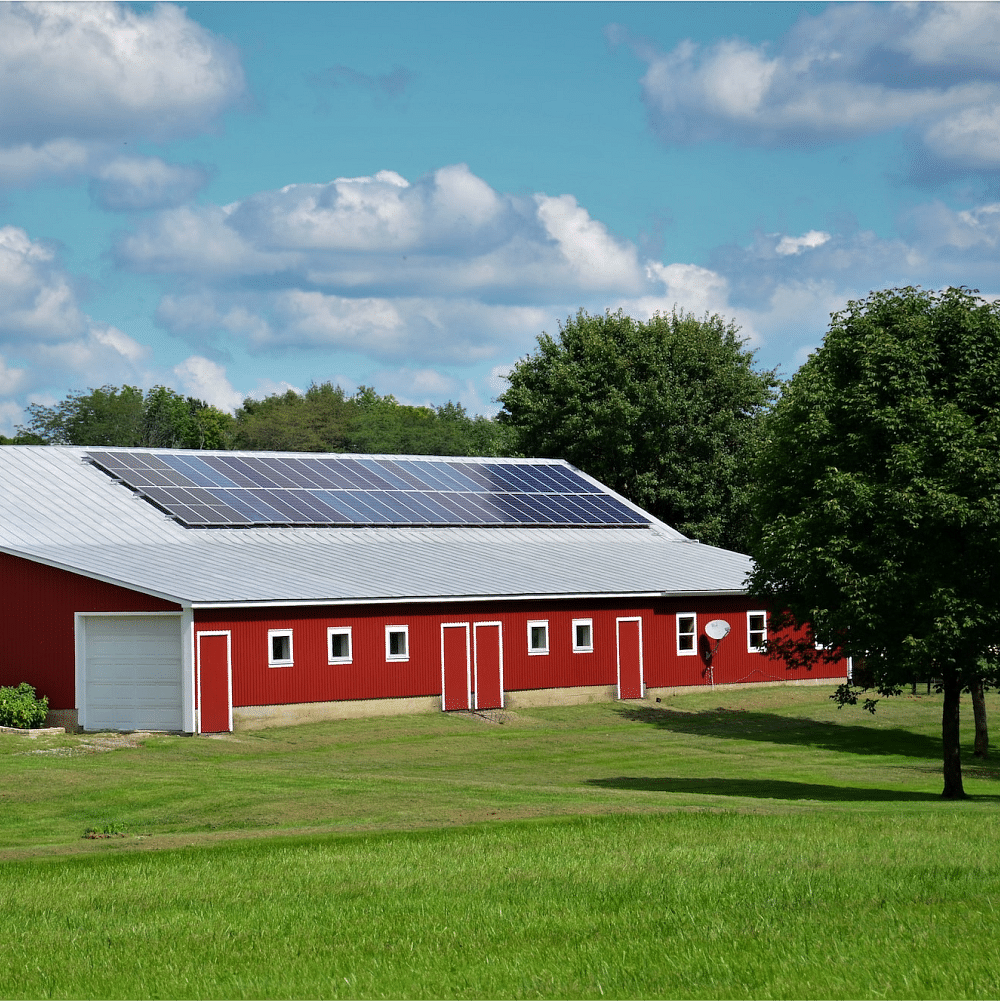
Many agricultural facilities have the space and the electrical demand profile that makes solar especially effective, particularly when usage spikes line up with daylight and warmer months. Irrigation, cooling, ventilation, and processing often draw the most power when the sun is producing the most energy. That alignment can translate into meaningful savings when the system is sized and engineered around your actual load.
Midwest farms also tend to think in multi-year horizons, which pairs well with an energy asset designed to produce value year after year. A solar array can be planned like any other major upgrade, with decisions driven by durability, serviceability, and predictable performance instead of short-term trends. When the project is approached with the same discipline you use for equipment purchases, solar becomes a straightforward business tool rather than a gamble.
Interconnection, siting, and utility coordination matter in rural areas, especially when service lines, transformers, and metering setups vary from property to property. The best outcomes come from planning that respects those constraints early, then builds a system that fits the site instead of forcing the site to fit the system. 93Energy’s team focuses on that front-end engineering so the finished project works cleanly with your operation and your utility.