Solar Energy Solutions for Manufacturing and Industrial Facilities in Illinois
Get in Touch
The Sustainable Energy Solution
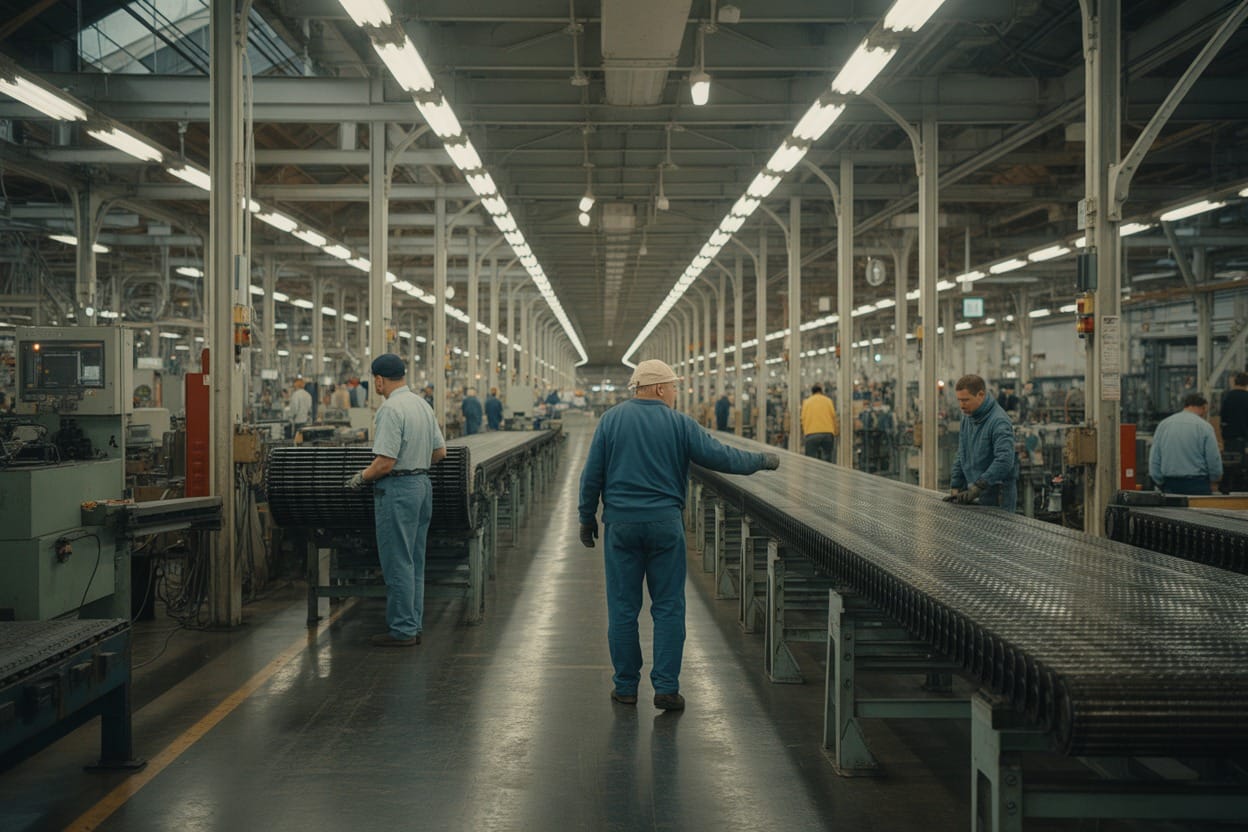
Solar for Manufacturing and Factories
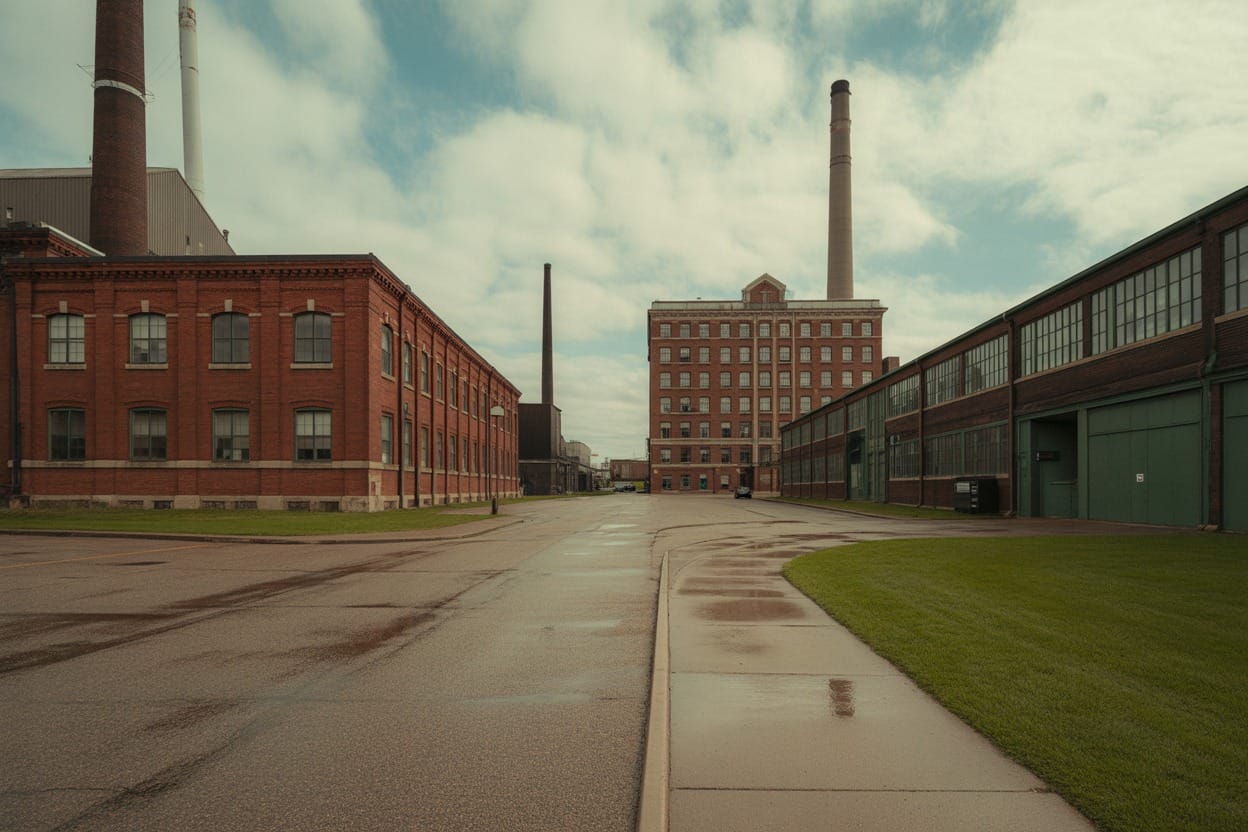
Manufacturers across Illinois and the greater Midwest face the same pressure every quarter, which is the need to control operating costs without risking production uptime. Solar built specifically for industrial facilities solves both problems by delivering stable energy costs over the system life while hardening your power strategy against volatility. 93Energy designs and builds EPC solar solutions that fit real plant constraints, from shift schedules and safety protocols to roof load limits and interconnection timelines.
Why Industrial Solar Belongs on the Factory Floor
Manufacturing power profiles are different from office or retail, so the solar strategy must be different as well. High kWh usage, predictable daytime operation, and large roof or campus areas create a natural fit for on-site generation. Facilities that pair solar with controls and storage often see the most resilient result, because production remains prioritized even when the grid throws a curveball. The next
Procurement teams also appreciate that solar produces a long-term hedge against energy price swings. A financed or cash-funded array converts a variable utility expense into a planned cost curve, which can help stabilize pricing for your customers and reduce the sting of future rate cases. Environmental targets come along for the ride, allowing your brand to meet customer and regulatory expectations without sacrificing reliability.
Engineered for Uptime and Predictable Costs
Every line stop has a cost, so the EPC plan must protect production first. Our pre-construction process maps shutdown windows, crane paths, roof access, and electrical cutovers so construction never surprises the plant. Structural models are developed for snow and wind loads common to the Midwest, and roof life is evaluated to avoid placing a new array on a surface that needs replacement midstream.
Cost predictability grows from accurate modeling and conservative assumptions. Our designs incorporate realistic performance ratios, local weather data, and degradation curves, which keeps your financial case grounded in how the system will perform on your roof or grounds. The result is a forecast the finance team can trust and a build plan operations can live with.
EPC Delivery Built for Industrial Sites
Industrial EPC work calls for coordination with utility stakeholders, AHJs, and plant EHS teams. Our project managers align permits, utility studies, material procurement, and trade schedules so milestones stack cleanly. Safety training, lockout tagout practices, and site logistics are planned with your team to protect people and assets throughout the build.
Quality assurance continues beyond mechanical completion with commissioning and verification that closes the loop. Inverters, protection schemes, and monitoring are tested under load, and operators receive clear documentation for maintenance, troubleshooting, and warranty support. A strong turnover package makes your first year uneventful for all the right reasons.
Smarter Design Options for Complex Facilities
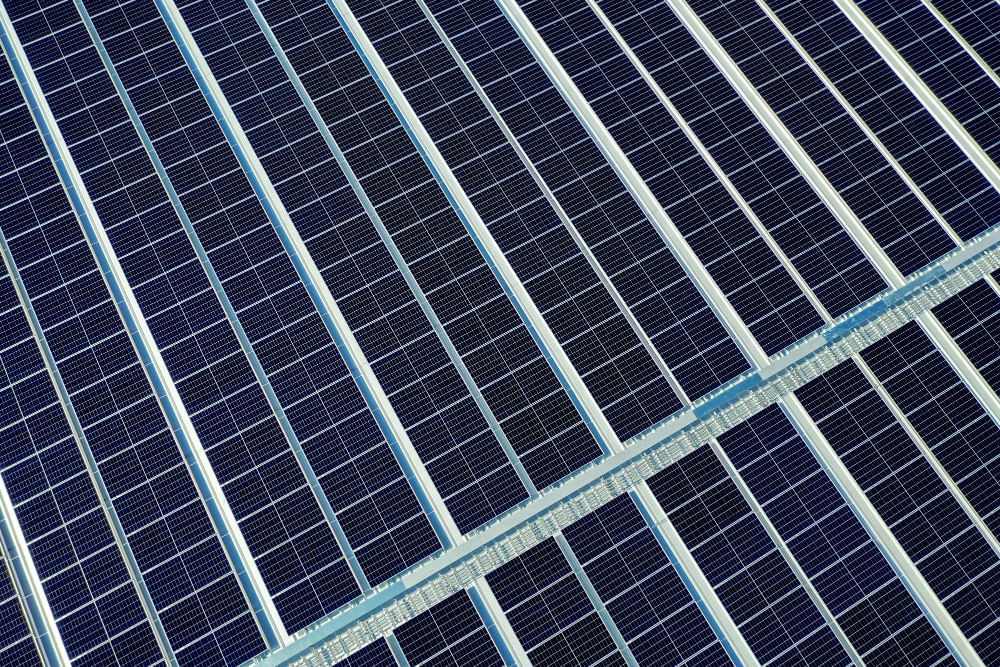
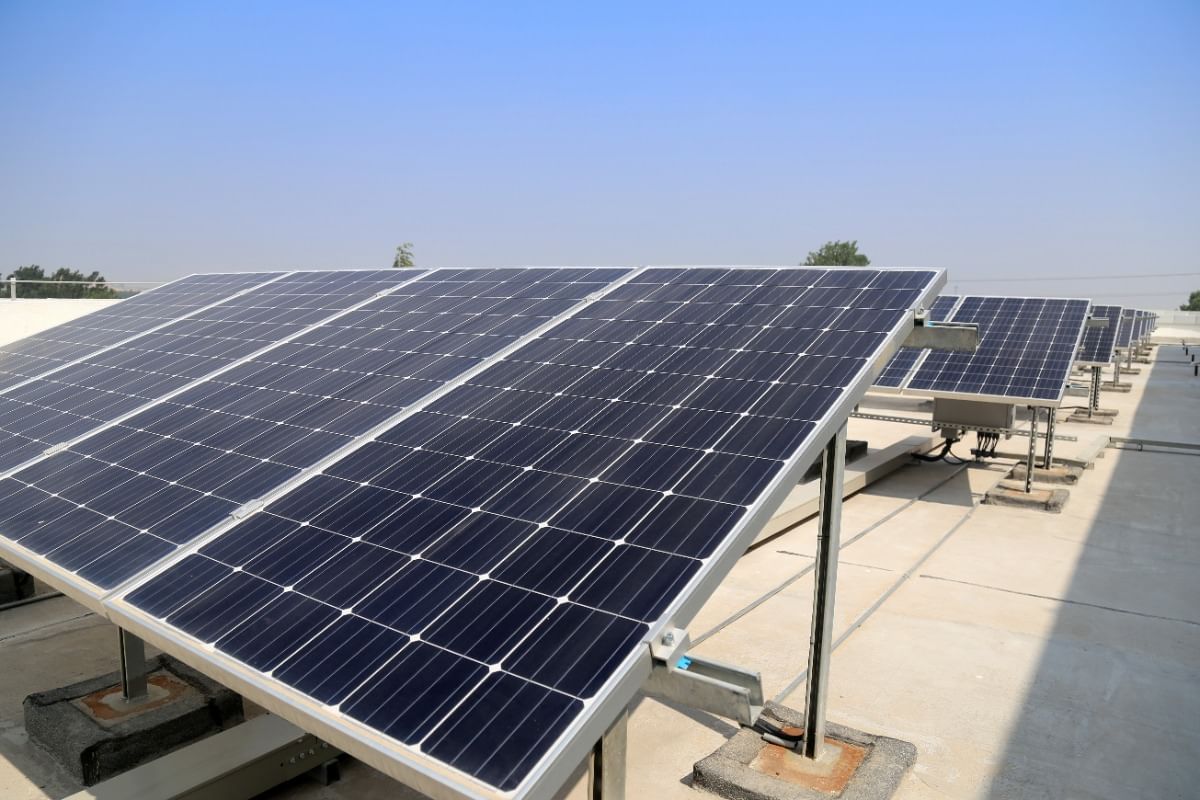
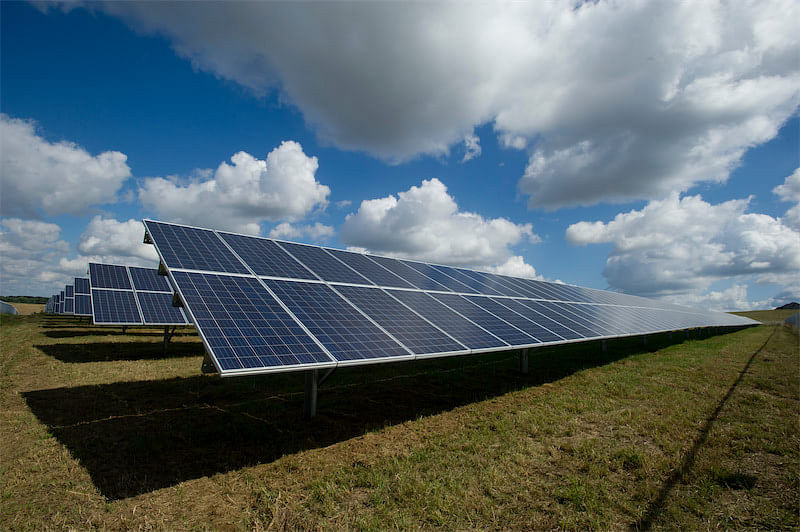
Large campuses rarely succeed with a single mounting approach. Rooftops may carry the base load offset while parking canopies deliver employee and fleet benefits, and ground mounts soak up additional acreage to achieve target offsets. System architecture can also optimize for multiple services, such as demand shaving, power factor improvement, and backup for critical loads.
Consider these fit-for-purpose options that we frequently deploy on industrial sites:
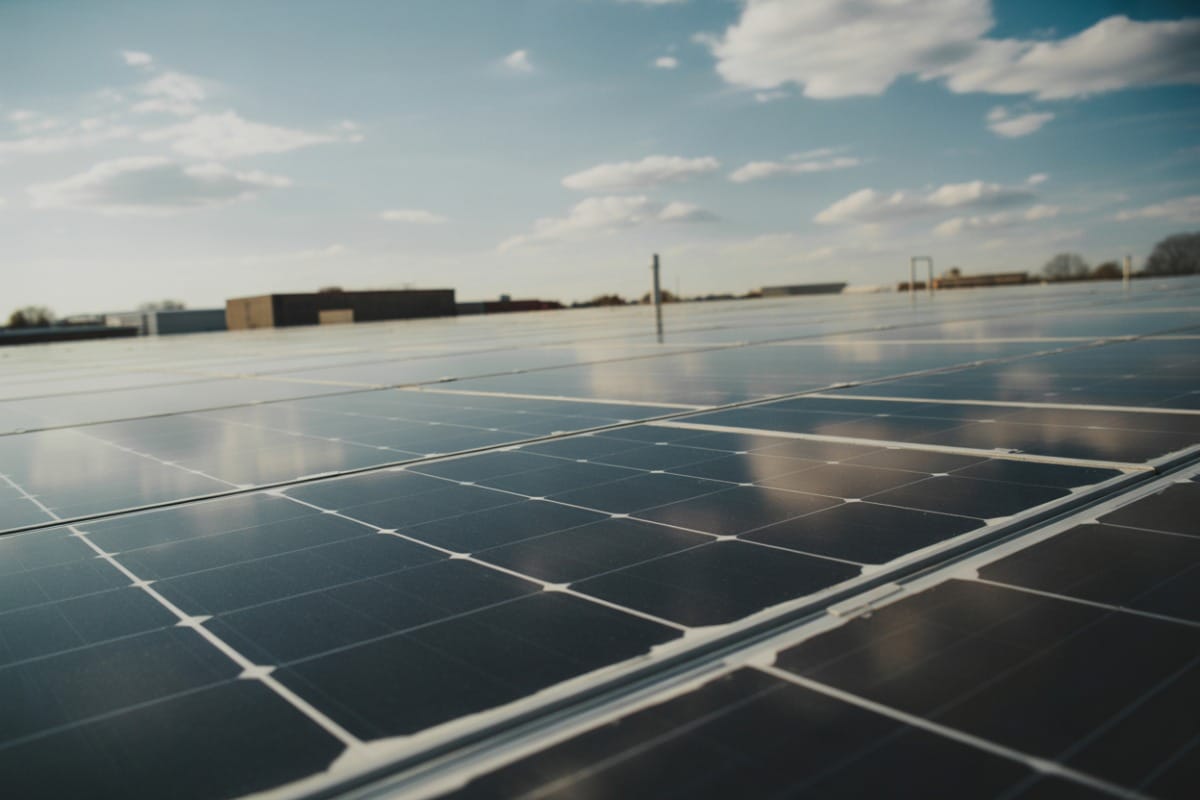
1) Rooftop arrays designed for high snow load and limited roof penetrations.
2) Parking canopies that combine generation with shaded parking and EV readiness.
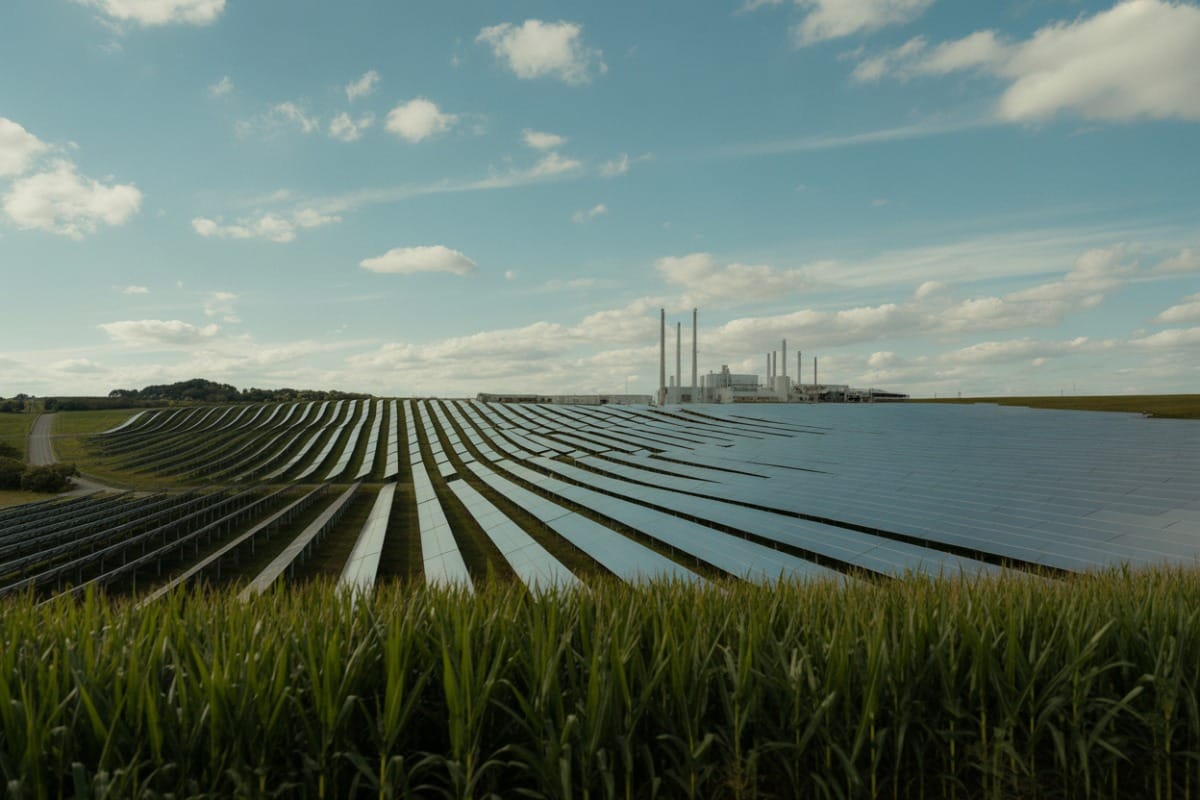
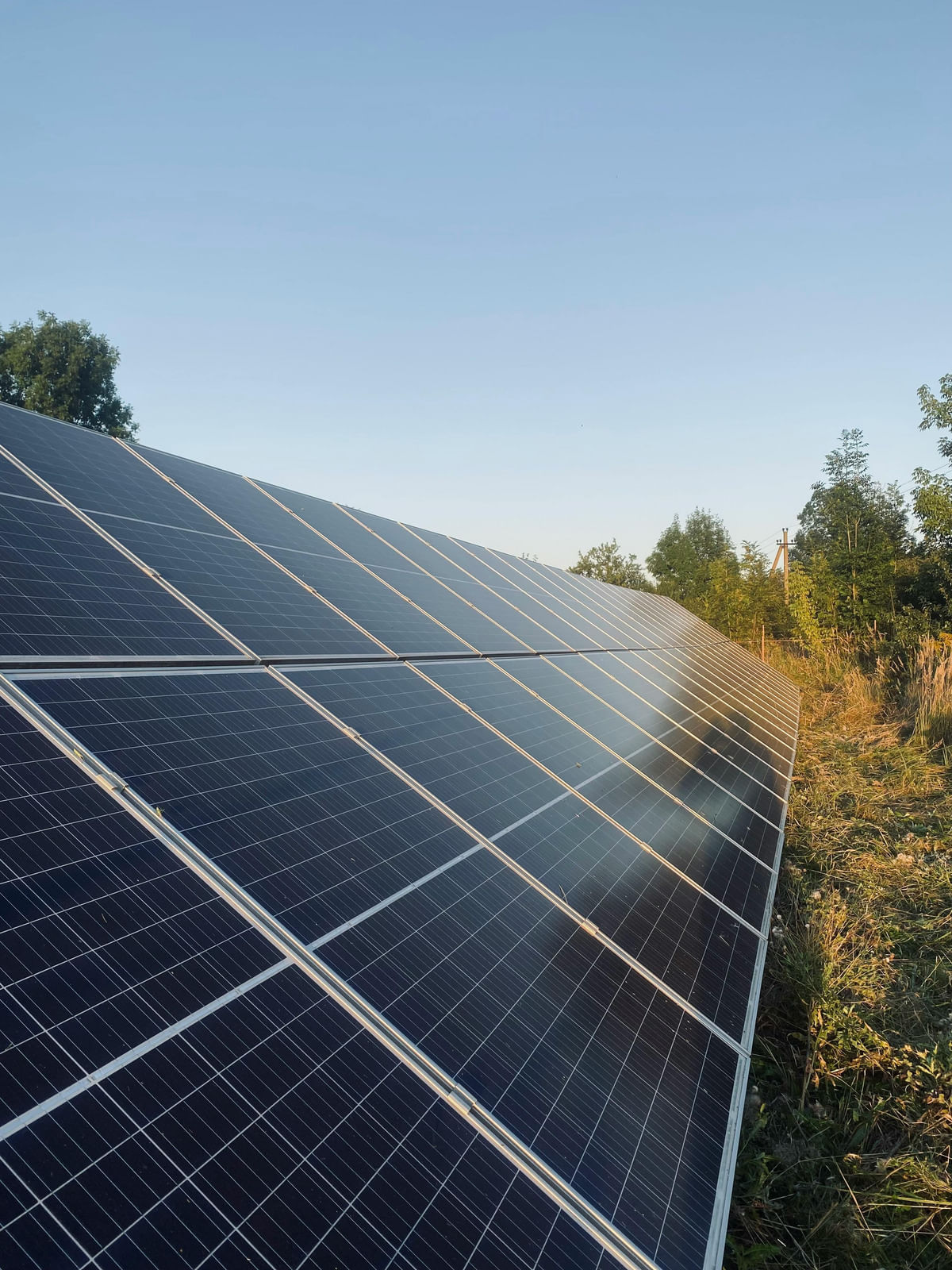
3) Ground mounts on underutilized land or retired waste areas to hit higher offsets.
Storage and Demand Control for Peak Shaving
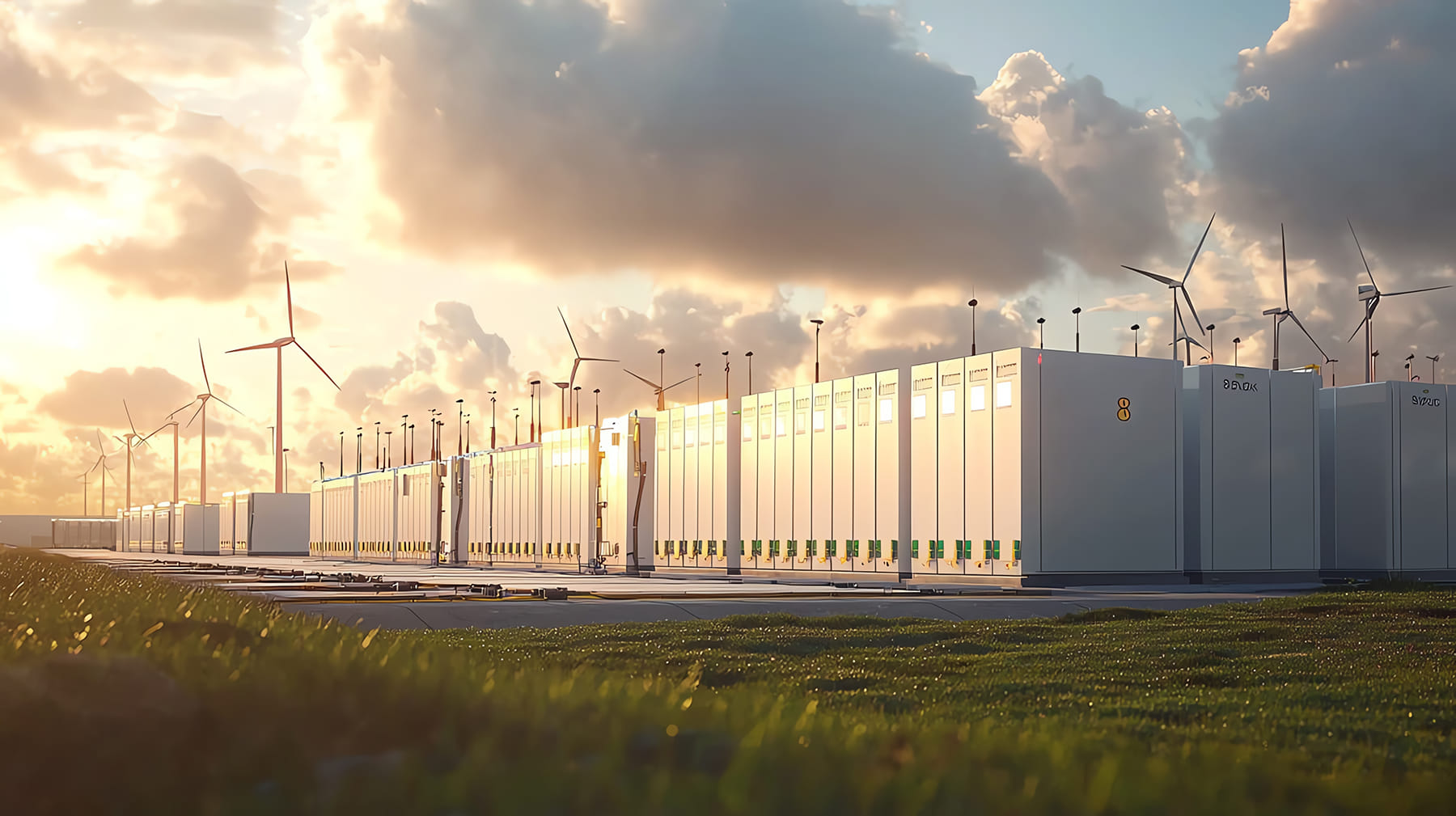
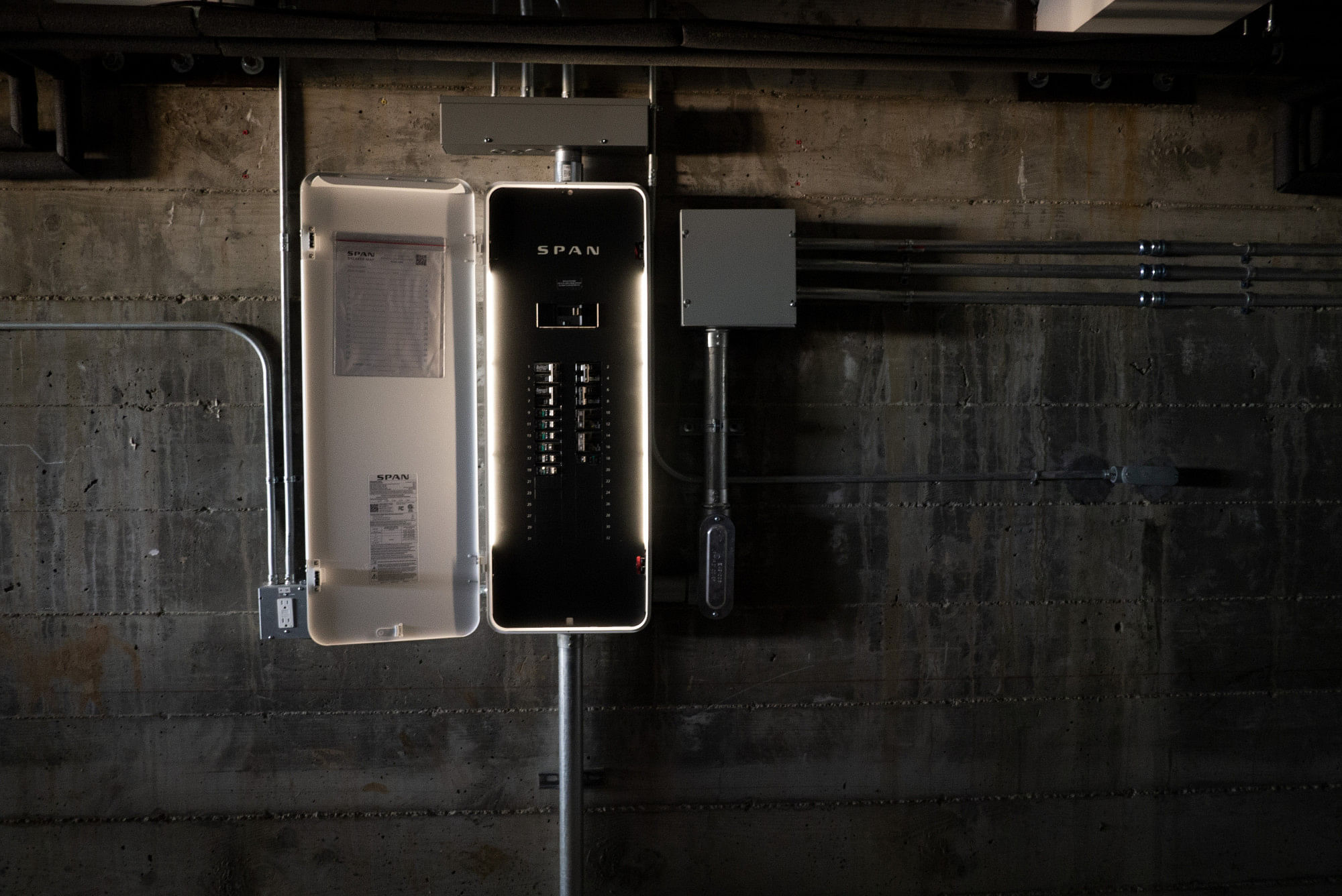
Factories often pay a premium for a few minutes of high load, which is exactly where storage shines. Batteries discharge during peaks to tame demand charges, then recharge when production eases or the sun is strong. This pairing can flatten your load profile, which produces savings that compound alongside energy offset from the array itself.
Storage also strengthens resilience for critical processes that cannot go dark. A properly designed system isolates essential loads, allowing targeted backup during outages without attempting to island your entire plant. Controls, relays, and protection strategies are engineered to keep people safe while preserving the production steps that matter most.
Safety, Compliance, and Quality Assurance
Industrial solar must meet stringent safety and code standards to earn a place in your facility. Our teams work within NFPA 70 and 70E requirements, follow site-specific EHS rules, and document procedures so audits go smoothly. Equipment selection focuses on reliability in Midwest conditions through NEMA-rated enclosures, snow-shedding racking, and cable management that survives the seasons.
Financing Pathways That Fit the Plant Budget
Every manufacturer has a preferred capital strategy, so the project should meet your financial framework rather than force a single path. Many clients choose to own the system to capture incentives and asset value, while others prefer structured financing that preserves cash for core operations. Federal incentives and bonus opportunities can strengthen the case, and utility programs may add performance-based benefits.
Potential approaches include:
- Capital purchase with incentives captured by the owner.
- Operating leases structured to align payments with production seasons.
- Third-party ownership models that trade upfront cost for predictable energy pricing.
Maintenance That Keeps Production Online
A solar plant delivers the greatest value when availability stays high and issues are resolved early. Proactive maintenance combines thermal scans, torque checks, vegetation control where relevant, and firmware updates tied to manufacturer bulletins. Monitoring platforms flag anomalies down to the string or inverter level, which allows targeted dispatch and minimal disruption to your operation.
Regional Expertise Across Illinois and the Midwest
Midwest weather and utility landscapes reward teams that have built here before. Interconnection with investor-owned utilities and municipal providers follows different rules, and county permitting can vary from one jurisdiction to the next. Local experience helps projects move faster because designs, applications, and inspections arrive complete the first time.
Procuring materials and labor through regional partners shortens lead times and supports predictable schedules. Crews accustomed to winter installation practices keep momentum through cold months, which protects your timeline even when the forecast is less cooperative. Your project benefits from a network tuned to the realities of Illinois and neighboring states.
Power Your Properties with 93Energy
Choose 93Energy for Solar Built for Manufacturing
Your plant needs a solar partner that respects production, understands industrial electrical systems, and can deliver a reliable asset on a predictable schedule. 93Energy brings engineering, procurement, and construction together with a single point of accountability, which means fewer surprises and a smoother path from concept to PTO. Our designs reduce energy risk, improve cost visibility, and set the stage for storage and microgrid upgrades when the business case is right.
Schedule a consultation with 93Energy to evaluate your facility, model the numbers, and map a build that fits your site constraints. Our team will translate your operational goals into a high-performing solar solution that supports the plant for decades. Contact us today to start your industrial solar project with 93Energy.